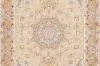
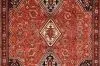
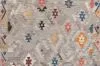
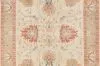
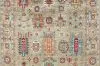
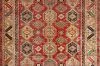
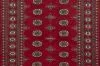
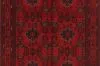
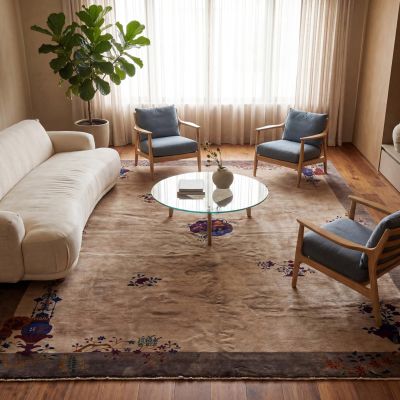
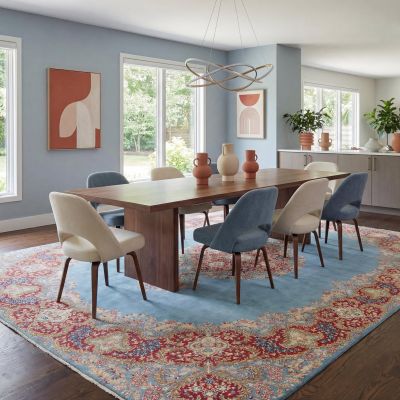
Over 100,000 rugs – a shared milestone
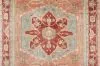
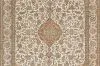
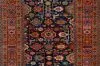
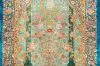
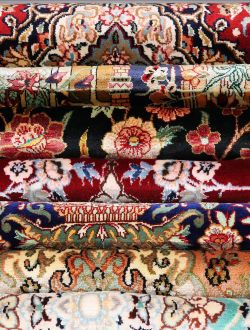
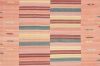
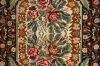
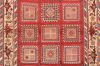
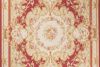
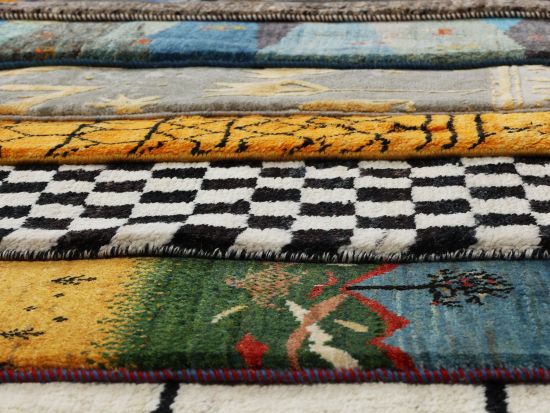
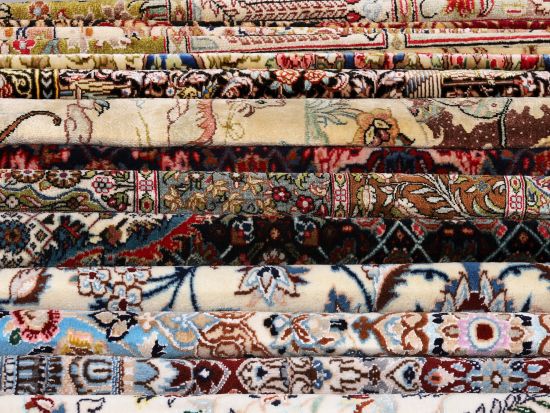
What once began with a carefully selected collection has now grown into one of the world’s largest selections of hand-knotted and handwoven rugs. Every single rug represents traditional craftsmanship, high-quality materials and unique handmade work.
This success would not have been possible without our customers. We would like to sincerely thank you for your trust and support.
Voucher code: 100K
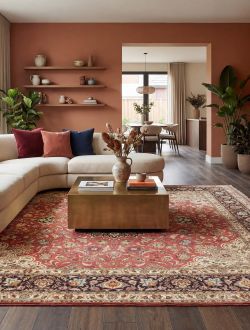
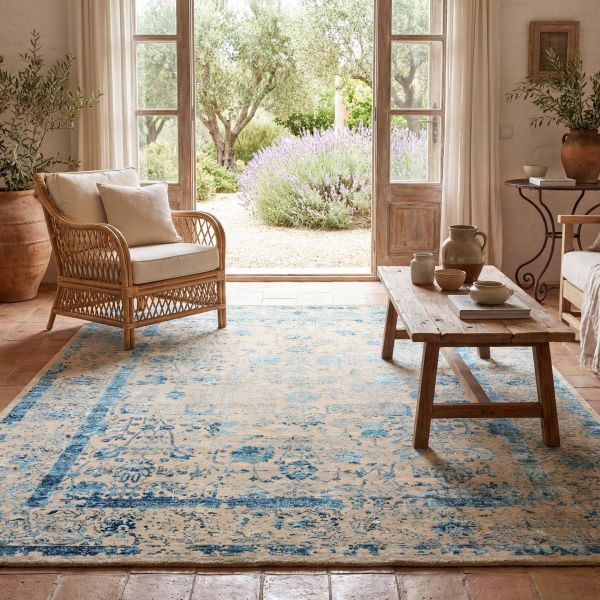
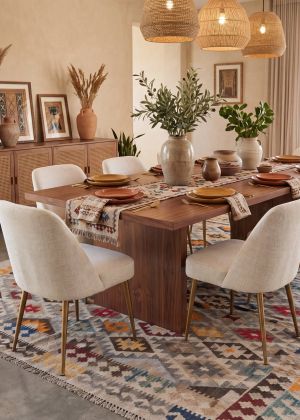
A warm breeze drifts through the window, lemons in a clay vase scent the table, and the tiles underfoot feel like a holiday. Who says this way of life is only possible by the Mediterranean? Mediterranean living brings exactly this mood into your own home – with natural materials, warm colours and handcrafted character. Hardly any other element creates as much atmosphere as a well-chosen rug.
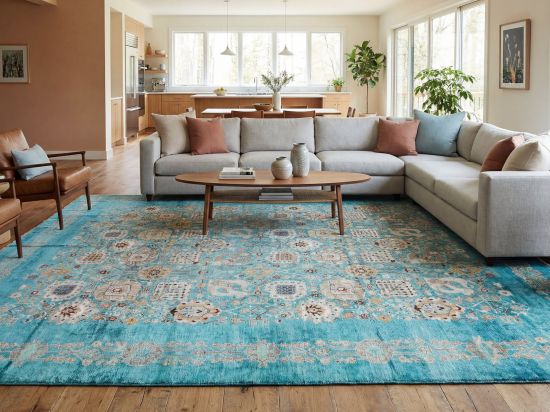
The appeal of Mediterranean interiors lies in their understated elegance, attention to detail and clarity of form. Materials such as stone, wood, ceramics and linen bring lightness and a natural feel to the room. The colour palette is just as important: terracotta, sand, olive green, turquoise and blue – inspired by the sun, sea and earth.
Anyone looking to create a Mediterranean interior often deliberately embraces the imperfect: surfaces with patina, furniture with character. Limewashed walls that are not flawless tell a story. Just like hand-knotted rugs. No two pieces are the same; each one bears its own unique signature.
| Feature | Description |
|---|---|
| Colours | Terracotta, Beige, Sand, Olive Green |
| Materials | Wood, Linen, Natural Stone |
| Furniture | Solid Wood, Wrought Iron |
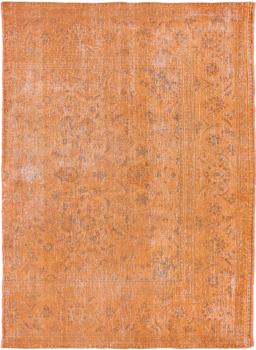
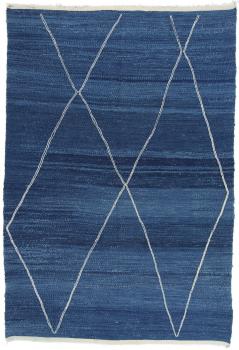
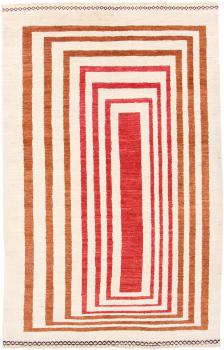
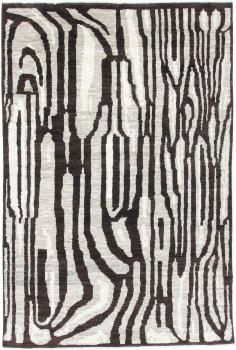
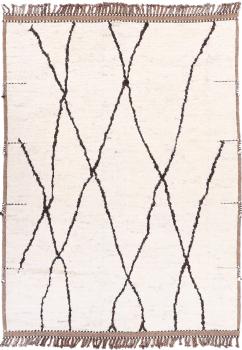
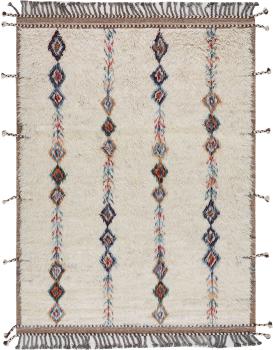
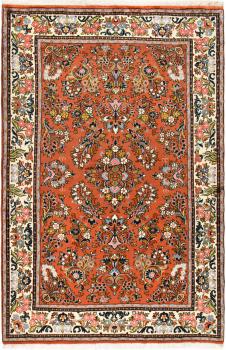
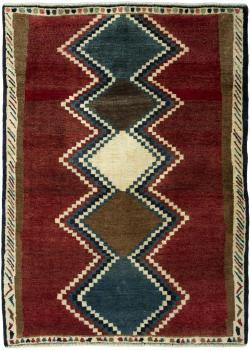
| Rugs | Gabbeh, Berber, Ziegler |
| Plants | Olive Tree, Lavender, Rosemary |
In a Mediterranean setting, rugs do far more than simply serve a decorative purpose. They improve acoustics, especially in rooms with stone, glass or high ceilings, and create a more comfortable feel throughout the space.
Thanks to the use of natural materials, rugs can absorb and release moisture. This helps to stabilise the indoor climate, particularly when combined with breathable wall and floor coverings. Another subtle benefit that contributes to a well-rounded living experience.
Plants are as much a part of Mediterranean interior design as olive oil is of cooking. They bring life, fragrance and structure into the home. And there is no need for tropical varieties – what grows around the Mediterranean is more than enough.
Lavender with its violet flowers and silvery foliage instantly creates a holiday feel. In a terracotta pot on the windowsill or balcony, it requires very little effort but makes a big impression. Rosemary is just as undemanding. Its resinous scent brings back memories of summer evenings, and as a culinary herb it is doubly useful.
The
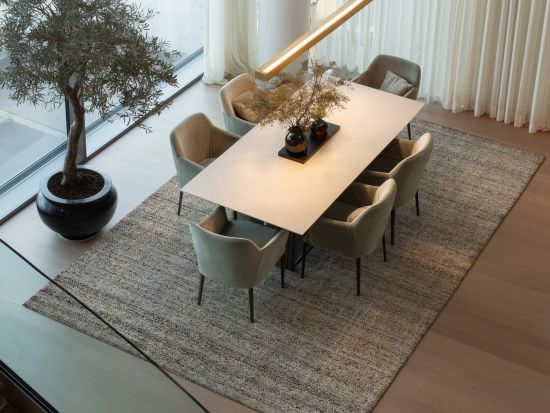
olive tree is considered a classic. Even as a small standard tree, it brings southern charm – whether in the living area, entrance hall or on the terrace. Combined with stone, wood and ceramics, it creates a harmonious ensemble.
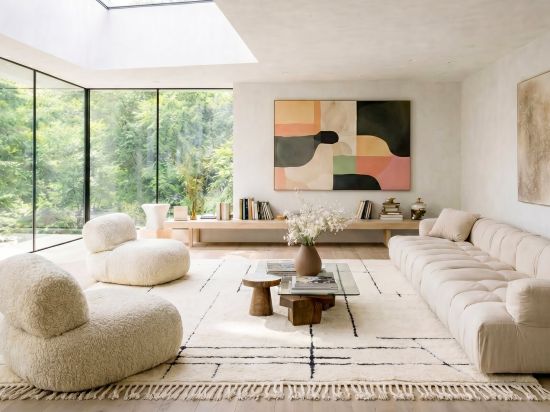
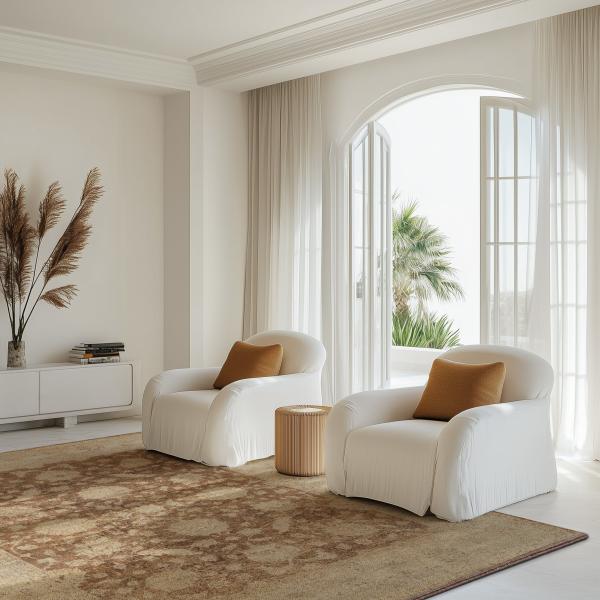
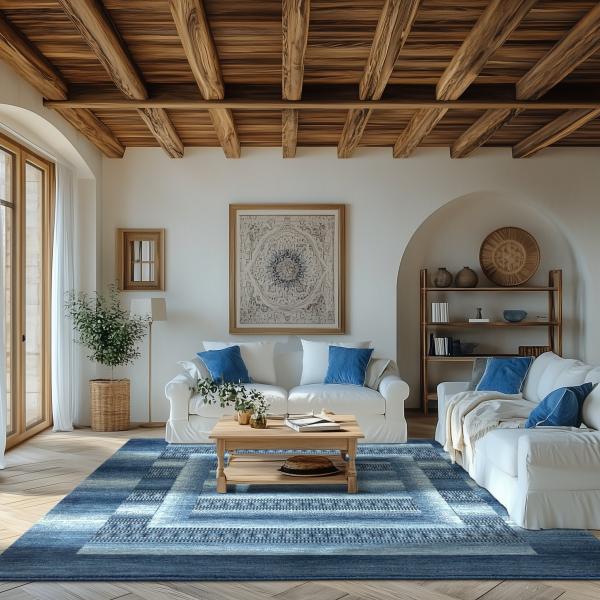
The living room is the heart of a Mediterranean-style home. The aim is to create a bright, welcoming and relaxed atmosphere that evokes the coastal regions of the Mediterranean. Natural materials, warm tones and carefully chosen decorative elements play a central role.
Light colours such as cream, beige or sand are ideal for the walls, as they reflect natural light beautifully and make the room feel bright and inviting. Furniture made from solid wood, rattan or wrought iron enhances the Mediterranean character and gives the living room a timeless elegance.
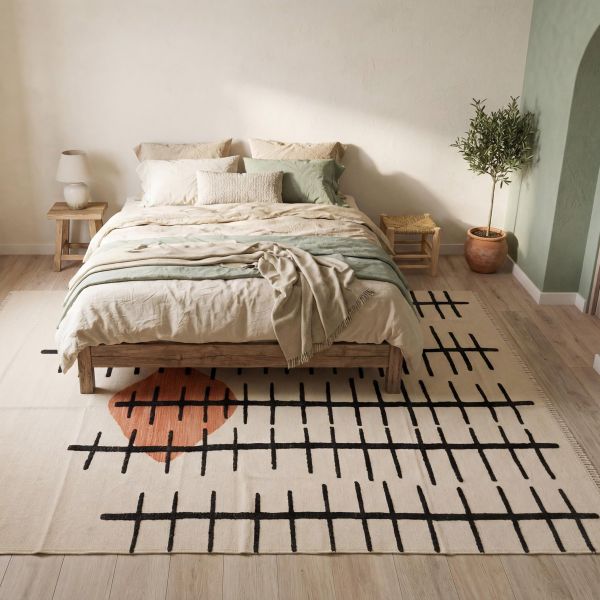
A Mediterranean bedroom is defined by a calm, natural and relaxed atmosphere. Light colours, natural materials and harmonious furnishings create a retreat that invites comfort and relaxation. Inspired by the coastal regions of the Mediterranean, this interior style conveys lightness and timeless elegance.
Soft shades such as cream, beige, sand or light grey are ideal for walls and textiles. These colours make the room feel larger and create a welcoming setting. Solid wood furniture, along with accessories made from linen, cotton or rattan, naturally completes the overall Mediterranean look.
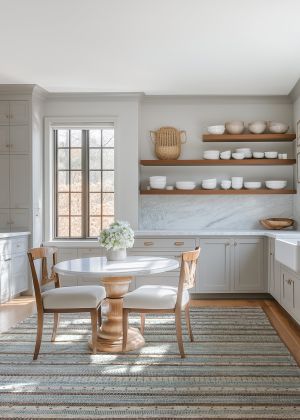
In Mediterranean countries, the kitchen is far more than just a place for cooking. It serves as a meeting point for family and friends and is often the heart of daily life. That is why a Mediterranean kitchen should be not only functional but also welcoming.
Open shelving, ceramic tableware, handmade tiles and natural stone worktops are all characteristic features. Terracotta elements are particularly popular, adding warmth and authenticity to the kitchen. Combined with wooden furniture, they create a timeless ambience that is typical of Mediterranean interior style.
Fresh herbs such as rosemary, basil or thyme are an essential part of a Mediterranean kitchen. They not only bring colour into the room but also reflect the culinary culture of the Mediterranean region.
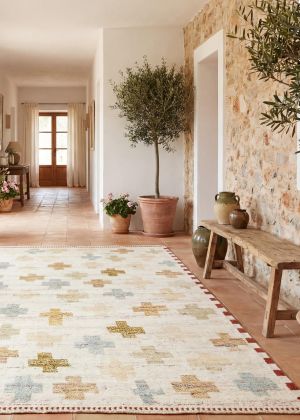
The hallway is the first room guests notice when entering a home. In Mediterranean interior design, it serves as a welcoming calling card, conveying warmth, natural charm and hospitality at first glance.
Light wall colours such as cream, sand or beige make the entrance area feel brighter, friendlier and more spacious. They are complemented by natural materials such as wood, stone or ceramic, which give the room an authentic Mediterranean character.
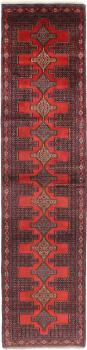
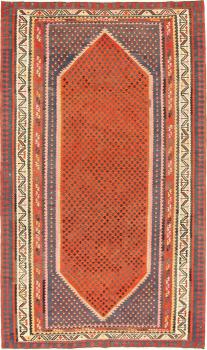
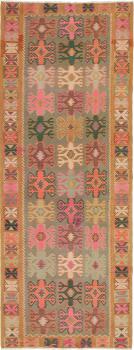
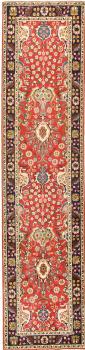
A rug can also enhance the look of the entrance area and create a more homely feel. Kilim rugs are particularly well suited to the hallway thanks to their robust, flat-woven structure. In larger entrance areas, Ziegler rugs can also add an elegant touch and harmoniously connect the different living spaces.
Unlike living rooms or bedrooms, a Mediterranean home office should not contain too many decorative elements. The focus is on a calm environment that allows for concentrated work while also creating a pleasant atmosphere.
The position of the desk is particularly important. Ideally, it should be placed near a window to make the most of natural daylight. Mediterranean rooms thrive on natural light, which can boost productivity and make the space feel more open.
In larger home offices, a rug can help visually separate the workspace from the rest of the room. Elegant Ziegler rugs are particularly well suited to classic home offices, while Gabbeh rugs offer a natural and modern alternative.
The Mediterranean interior style is characterised by natural materials, warm colours and a relaxed atmosphere. Typical features include terracotta, beige, sandy tones, wood, linen, natural stone and decorative elements that evoke the coastal regions of Italy, Spain or Greece.
Warm and natural colours such as terracotta, beige, cream, sand, ochre and olive green are particularly well suited to a Mediterranean interior style. Subtle shades of blue can also be used to reflect the connection to the Mediterranean.
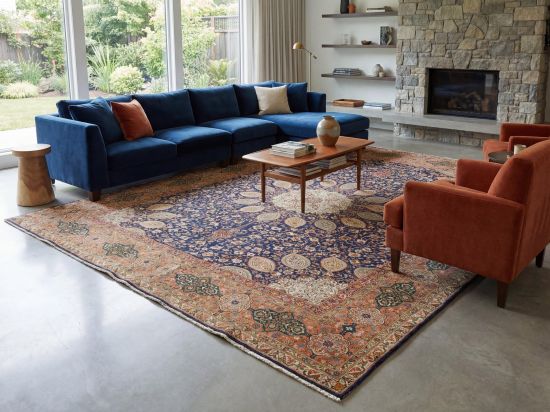
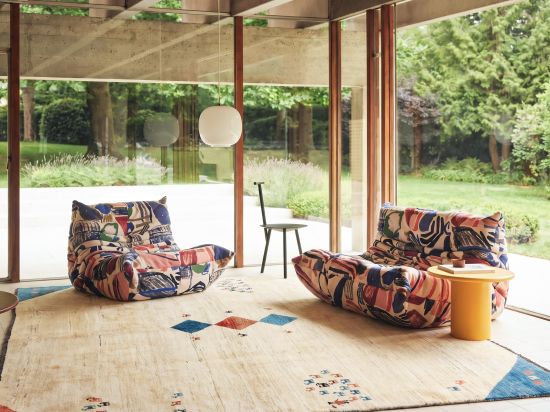
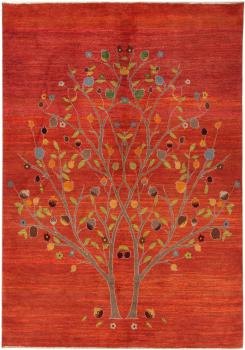
For Mediterranean interiors, rugs made from natural materials and in warm tones are particularly suitable. Gabbeh rugs, Berber rugs, Ziegler rugs and Kilim rugs are an excellent match, as they combine natural character, craftsmanship and a cosy living atmosphere.
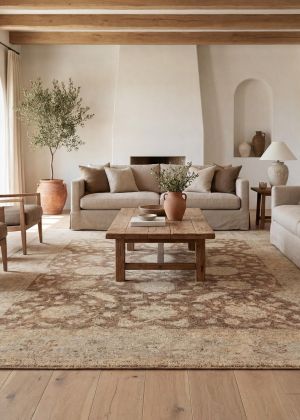
Mediterranean furniture made of wood, rattan or wrought iron can be combined particularly harmoniously with oriental rugs in beige, cream, terracotta or gold tones. It is important that the rug complements the room’s natural colour palette and does not appear too dominant.
Yes, the Mediterranean style can be interpreted very well in a modern way. Light-coloured walls, clean lines, natural materials and carefully chosen rugs create a contemporary, calm and warm interior without making the room feel cluttered.