Anniversary Sale
Save up to 20% – even on already discounted rugs!
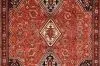
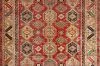
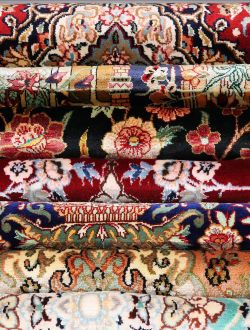
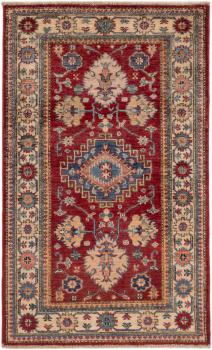
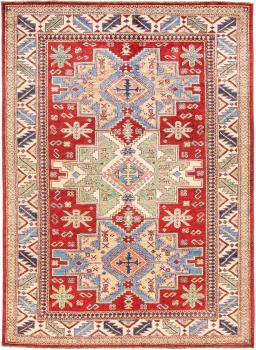
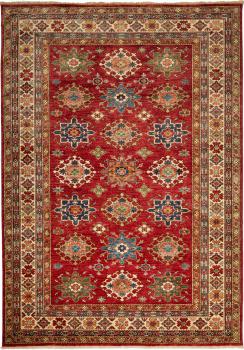
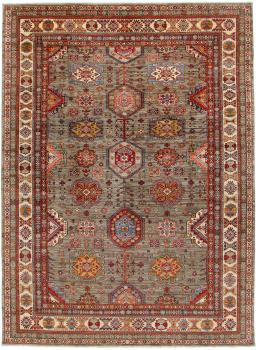
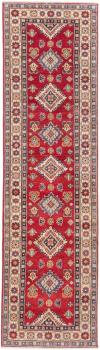
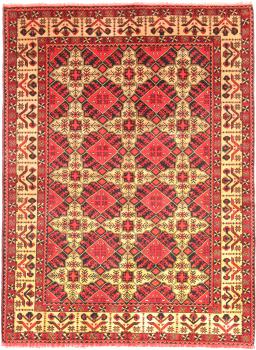
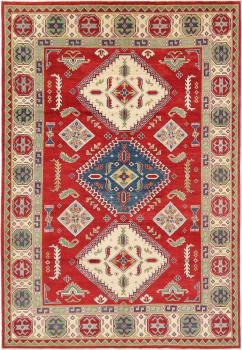
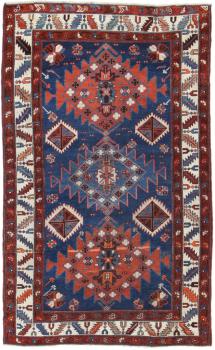
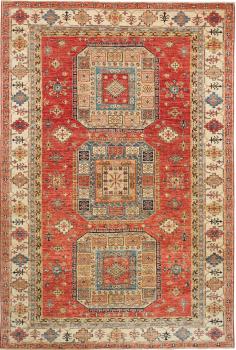
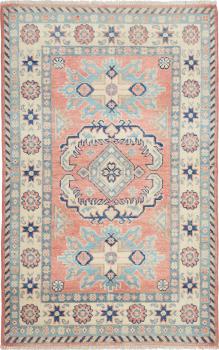
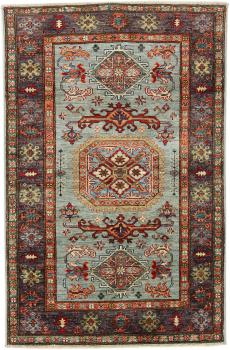
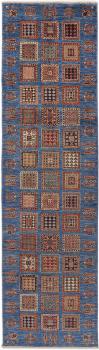
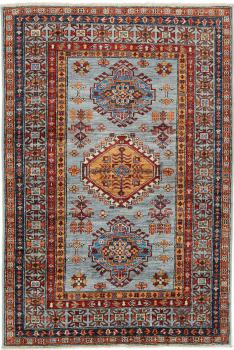
Kazak rugs are known for their exquisite craftsmanship, warm and earthy colours, and unique designs. Discover their benefits, available types, and how well they suit different interior styles.
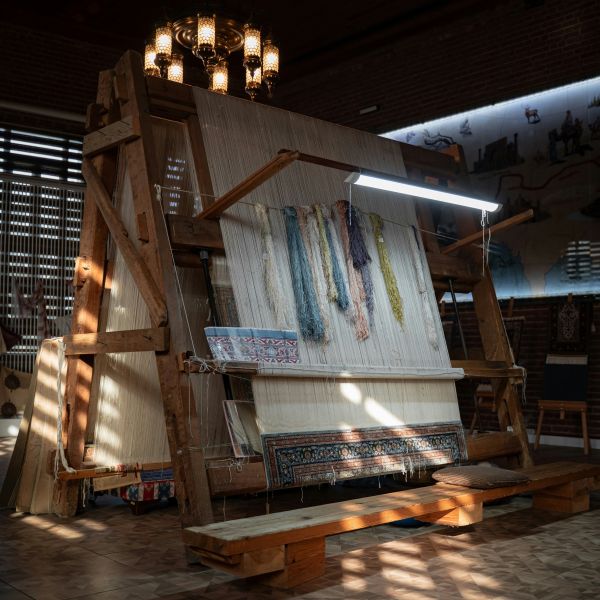
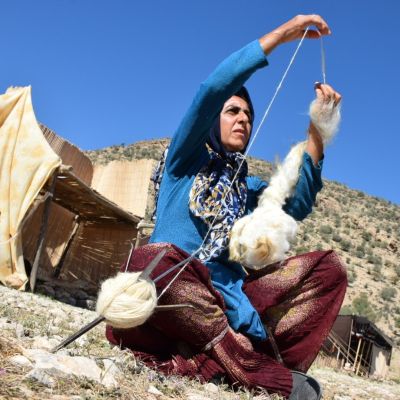
Typically, Kazak rugs are made from high-quality materials that contribute to their durability and beauty. The main material used in their construction is wool. These rugs are hand-knotted from hand-spun wool, which is known for its strength, softness and natural resilience. The wool used in Kazak rugs often comes from local sheep breeds that produce a thick, lustrous fleece.
In addition to wool, other natural materials may also be incorporated into the construction. This can include cotton for the foundation or warp threads, which give the rug structure stability and support. Cotton is chosen for its strength and resistance to tension.
In some cases, silk may also be used in the making of the rug, particularly in finer or more intricate pieces. Silk adds a luxurious sheen and highlights the details of the design. However, it is important to note that silk is not usually used as the main material for Kazak rugs, but rather as a decorative accent or highlight.
The typical knot density ranges between 70,000 and 200,000 knots per square metre. Finer rugs such as Super Kazak rugs can have up to 360,000 knots per square metre, ensuring intricate details and high-quality craftsmanship.
The rich colour palette is achieved through the exclusive use of natural dyes derived from plants and minerals.
Kazak rugs originate from the Caucasus mountain region. The Kazakh people, native to Eastern Europe and Central Asia, have a rich history of rug weaving. The rugs available today are mainly made by Kazakhs in Afghanistan and Pakistan, although antique Kazakh rugs can also be found in Russia, Turkey and other regions where Kazakhs live.
The cultural heritage of Kazakh rugs is closely linked to their symbolism and artistic value, representing the stories and traditions of past generations.
And although production has shifted to Afghanistan over the years, the weavers have preserved the traditional designs, patterns and symbols. What is more, the weavers make the rugs using the traditional hand-knotting technique, as this is the only way to preserve their completely authentic character.
Today’s Kazak rugs effortlessly combine the traditional heritage of the Caucasus region with timeless appeal for young, modern buyers.
| Colour | Meaning |
|---|---|
| Red | Warmth, energy and tradition |
| Blue | Calm and balance |
| Beige | Naturalness and harmony |
| Green | Connection to nature |
| Gold | Elegance and value |
If you are considering buying a Kazak rug, there are several important factors you should take into account:
Most importantly, of course, is the authenticity and quality of the rug. Make sure that the rug you choose is hand-knotted, as this is a sign of traditional craftsmanship and guarantees a higher level of quality.
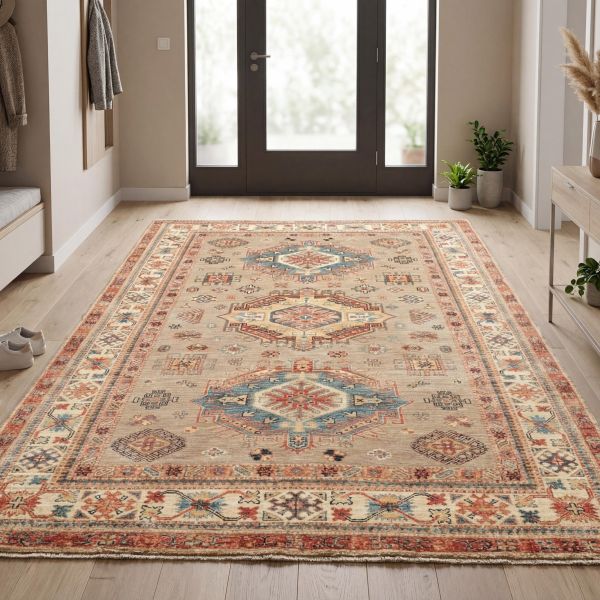
A key point to consider is the size and shape of the rug. We recommend giving rugs enough space to shine, while also leaving enough room for the other items in the room. By the way, fringes are not included in the stated dimensions, so it is best to allow a few extra centimetres at the top and bottom of the rug. Also choose a shape that reflects and enhances the overall feel of the room.
Another important aspect to consider is the design and colours of the rug. Take the time to choose a design that suits your personal style and complements your existing interior. Consider the colours used in the rug, as these can significantly influence the mood and atmosphere of a room.
Pay attention to details such as the age of the rug, its condition and the materials used, especially the wool. High-quality wool ensures durability and a soft texture, even if the rug is antique.
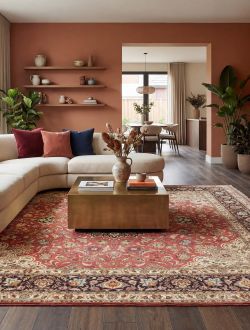
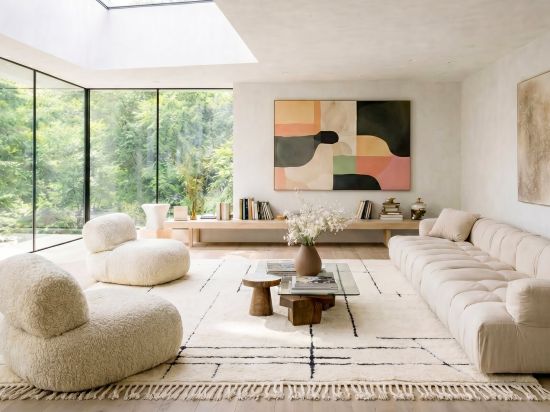
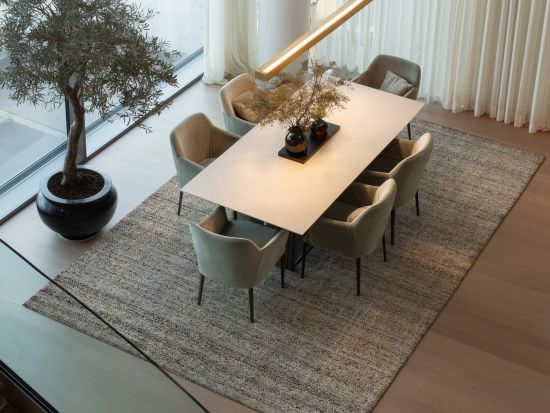
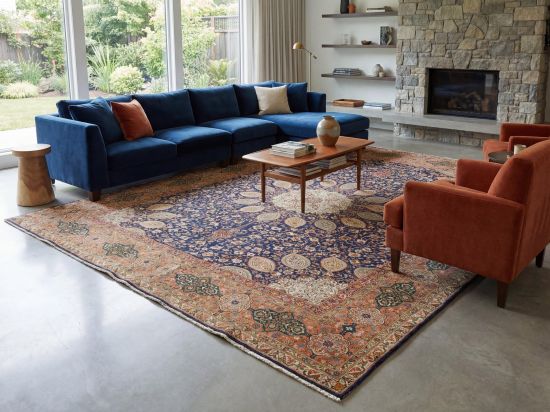
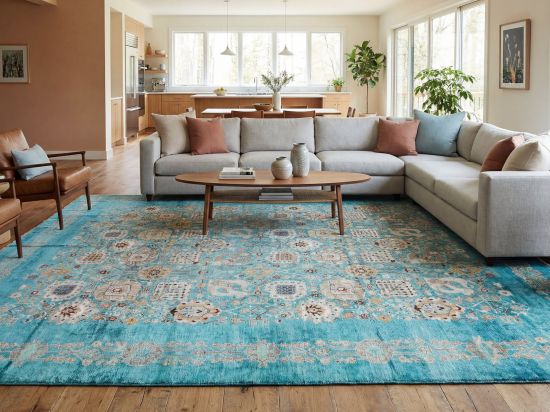
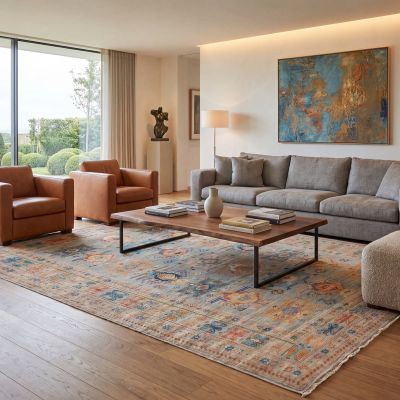
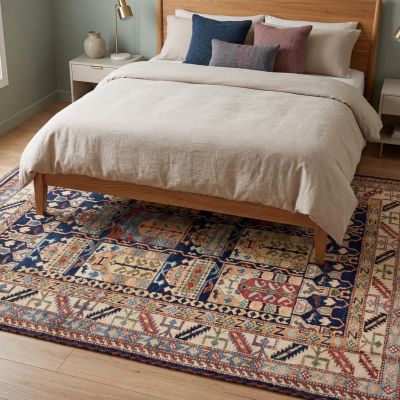
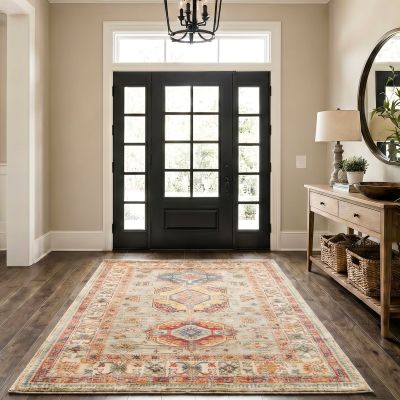
Kazak rugs have the remarkable ability to blend seamlessly into a wide range of interior styles and complement different aesthetics, including:
Kazak rugs offer several advantages that make them an attractive choice for buyers.
Firstly, they are known for their exceptional durability and, thanks to their strong and coarse knotting technique, are relatively flat and sturdy. This ensures that these rugs can withstand heavy, long-term use and last for generations.
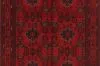
Secondly, their inviting, bright colours add a bold touch to any room, create a focal point and bring energy to the space. In addition, Kazak rugs are highly versatile and can be used in a variety of settings, from traditional to modern interiors.
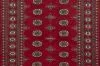
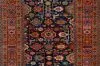
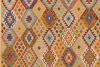
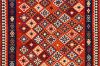
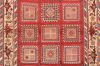
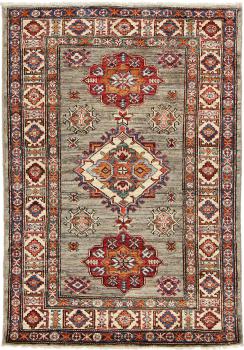
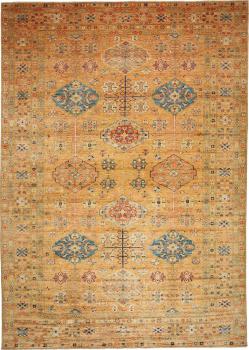
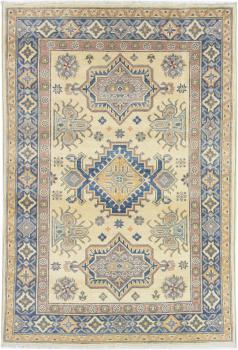
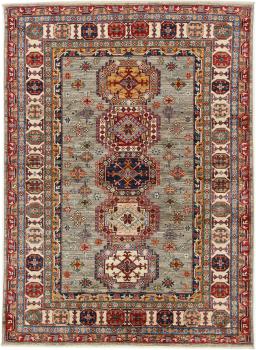
The geometric motifs are among the characteristic features of traditional Kazak rugs. Many of these patterns have been passed down through generations and reflect the cultural traditions of the regions from which the designs originate.
Yes. High-quality Kazak rugs made from virgin wool often develop a natural patina over the years. This makes the colours appear more harmonious and gives the rug even more character.
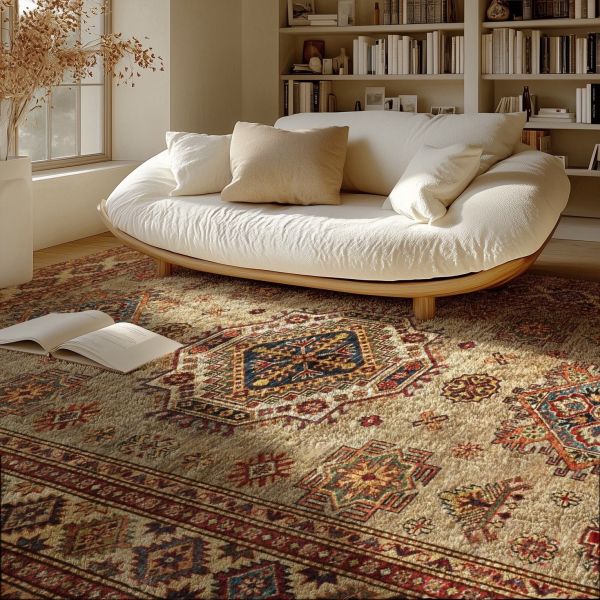
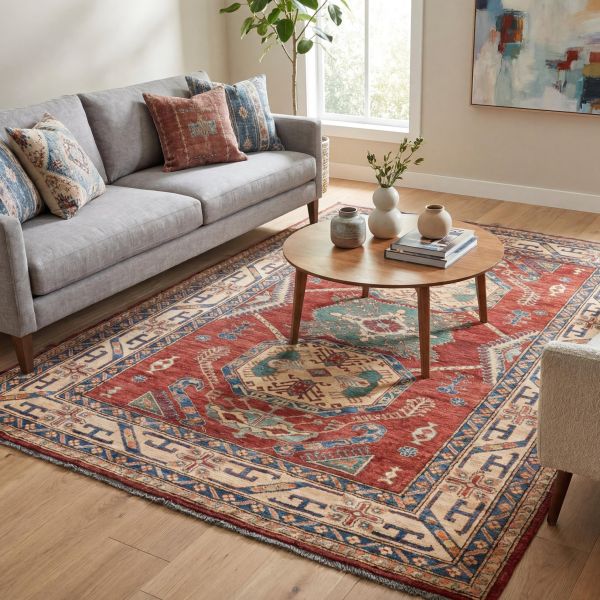
Yes. The contrast between the traditional patterns of a Kazak rug and modern furniture is precisely what gives it its special appeal. They create striking accents and give modern rooms more personality.
Kazak rugs are distinguished above all by their geometric patterns, bold colours and robust pile wool. This clearly sets them apart from many floral Persian rugs.
Kazak rugs can be combined in a variety of ways. They suit both wooden furniture and classic interiors, as well as modern living styles, where they serve as a decorative focal point.